4 Subtle Signs of Cat Mobility Problems You Might Be Missing (Plus Easy Home Fixes)
Picture this: your graceful feline companion, once a silent shadow leaping from couch to counter with effortless poise, now pauses at the edge of the armchair. That split-second hesitation? It might be one of the first whispers of cat mobility problems signs creeping in as the years add their gentle weight. For owners of aging cats—and yes, those of us with senior dogs will recognize the parallels—these subtle shifts can slip past even the most attentive eyes.
Aging gracefully isn't just a human pursuit; our pets navigate it too. But unlike us, cats mask discomfort with stoic silence. Spotting cat mobility problems signs early empowers you to make simple home tweaks that restore comfort and independence. This isn't about alarm bells—it's about quiet observation and proactive love. Let's uncover four overlooked indicators and pair them with straightforward fixes you can implement today.
Unmasking the 4 Subtle Cat Mobility Problems Signs
1. Hesitating Before Jumping or Climbing
Remember the days when your cat vaulted onto the windowsill without a second thought? If jumps now come with a telltale pause—paws testing the air, body tensing before launch—it could signal joint stiffness or muscle weakness. This cat mobility problems sign often flies under the radar because cats are masters of adaptation; they simply stop trying the high spots altogether.
Watch during routine rituals: mealtime scrambles or bedtime perches. That brief freeze isn't laziness—it's your cat calculating the risk of pain.
2. Avoiding Familiar Rooms or High-Traffic Areas
Your home is their kingdom, yet suddenly the sunny living room corner gathers dust while they hunker in the hallway. Avoiding certain rooms points to cat mobility problems signs like difficulty navigating stairs, slick floors, or tight corners. It's not pickiness; it's self-preservation.
Envision Whiskers, the tabby who once patrolled every inch, now sticking to the bedroom. Slippery tiles or steep drops might be the unseen barriers turning explorers into hermits.
3. Sleeping More in One Spot Than Roaming
Cats adore their nap marathons, but a shift from rotating beds to claiming one immovable throne suggests mobility hurdles. Rising from a low bed or traversing the house for water becomes a chore, so they conserve energy where they land.
This sign of cat mobility problems intertwines with senior pet mobility patterns we see in dogs too—that preference for proximity over adventure. Track patterns: if the favorite fleece hasn't moved in weeks, discomfort might be the anchor.
4. Changes in Litter Box Usage
Missed boxes, smaller deposits, or sudden aversions? These aren't rebellion; they're cries masked as accidents. High-sided litter boxes demand a leap that's now daunting, or getting in and out strains arthritic hips.
For multilingual households—from US suburbs to global homes—this universal frustration hits hard. Observe: is the box in a hard-to-reach spot, amplifying the issue?
Simple Home Fixes to Restore Ease and Joy
The good news? You don't need a remodel. These targeted adjustments address cat mobility problems signs head-on, fostering a safer, comfier world.
- Pet-Proof Pathways: Lay down non-slip mats on slick floors. Products like GoVivaPet's non-slip mats grip paws without fuss, turning hazards into highways.
- Low-Entry Litter Solutions: Swap high walls for shallow, ramped boxes. Position them on easy-access floors to eliminate the climb.
- Soft Steps and Ramps: Install gentle inclines or GoVivaPet soft steps beside favorites like beds and couches. No more heroic leaps.
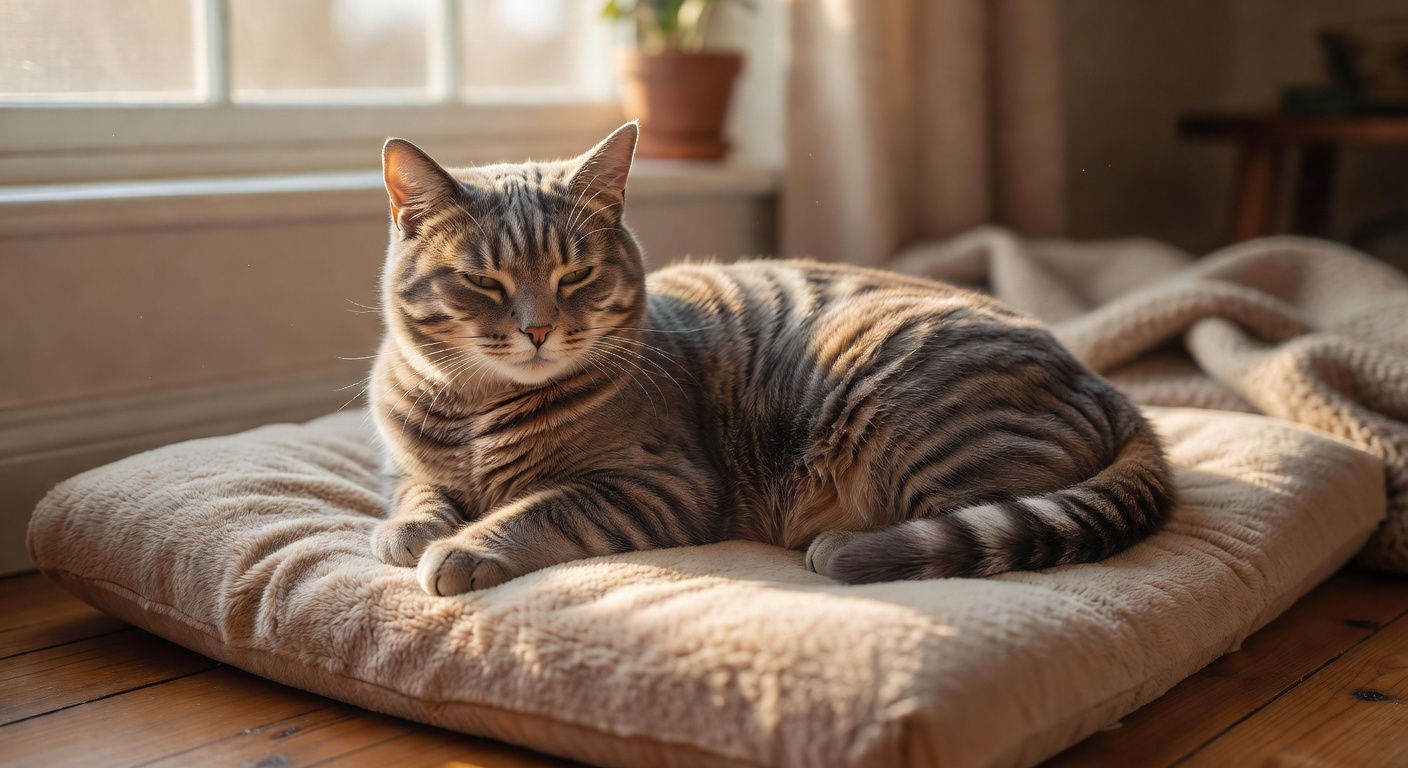
- Cozy, Orthopedic Resting Spots: Orthopedic beds in multiple low spots invite movement without penalty. Add heated pads for extra soothing.
Start small: audit one room, observe changes. Your cat's renewed curiosity will be the best thank-you.
Level Up with GoVivaPet's Senior Pet Essentials
For a seamless upgrade, explore GoVivaPet's lineup of comfort products designed for aging cats and dogs. From supportive cushions to mobility aids, they're crafted with senior pet mobility in mind.
Download their free Non-Slip Home Audit guide to pinpoint risks systematically. It's a reassuring roadmap, blending observation with action.
A Gentle Reminder: Partner with Your Vet
These insights are for owner education only—not medical advice or diagnosis. Always consult your veterinarian before mobility changes, especially if signs persist or worsen.
Your vet can rule out underlying issues and tailor plans, ensuring these tweaks complement professional care.
Watch, Adapt, Love
Those subtle cat mobility problems signs? They're invitations to deeper connection. By noticing the pause, the retreat, the stillness, you honor the trust your aging companion places in you. Implement a fix or two, download that audit, and witness the quiet spark return—a tail flick, a exploratory prowl. In the dance of years, these small steps keep the rhythm alive.
